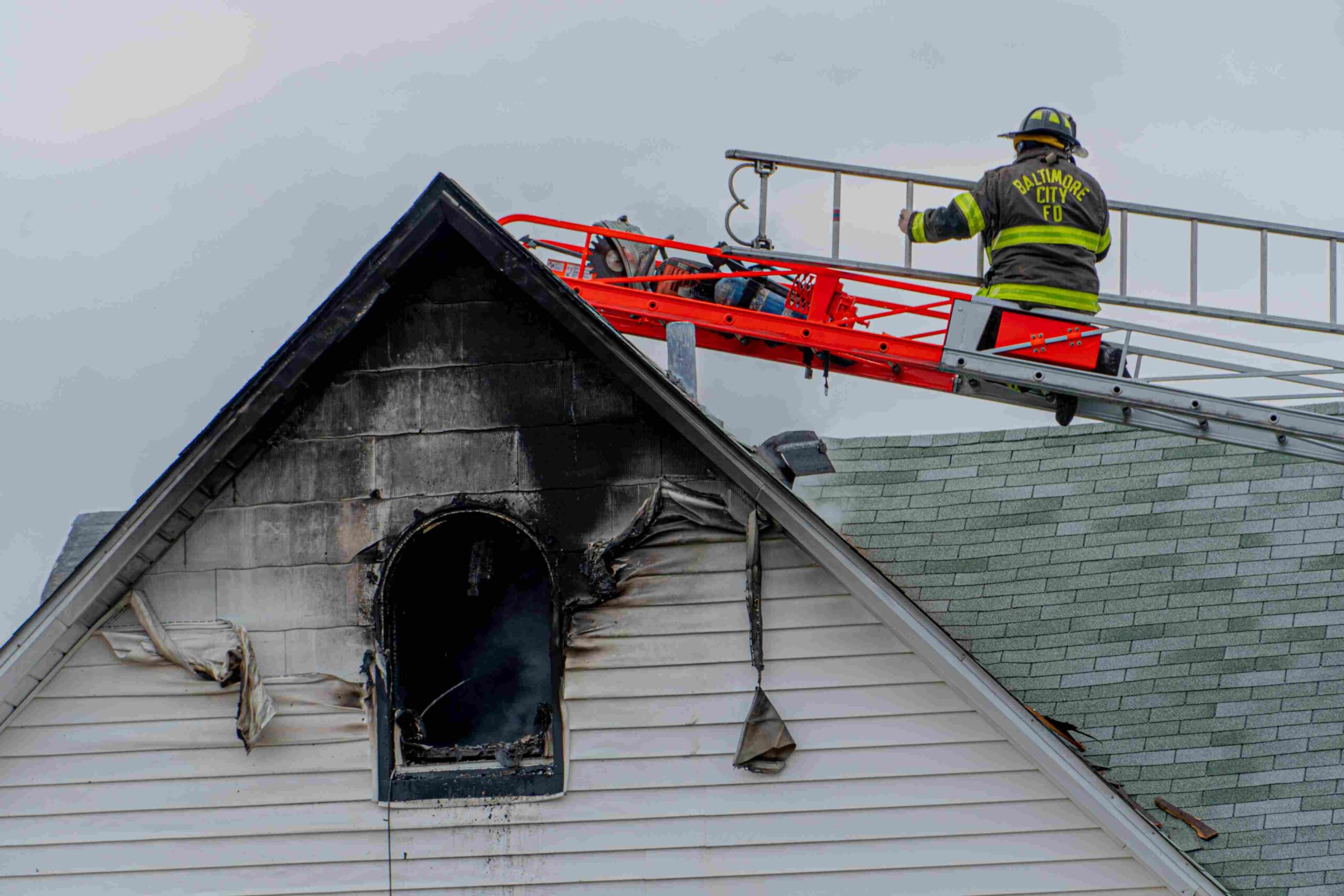
In one recent Charlotte-area fire, flames tore through a house near Marvin Road, causing major damage to the roof and extending from the front of the home to the back. Firefighters had to cut through the garage door just to get inside, and the Charlotte Fire Department called in additional resources to bring it under control.
Fortunately, that fire caused no injuries. But a separate apartment fire in western North Carolina around the same time wasn’t as fortunate. Two units were damaged, and one resident was taken to the hospital with injuries.
Stories like these are a reminder that fire damage isn’t always just property loss. For renters, it raises a harder question once the smoke clears: was this bad luck, or could it have been prevented?
A Landlord’s Legal Duty in North Carolina
Under North Carolina law, landlords aren’t just expected to collect rent. They’re required to keep rental housing safe. State statute places a duty on landlords to maintain electrical, heating, and other systems in working order, and to follow building and housing codes that protect tenant safety.
That includes functioning smoke alarms. It can also include faulty wiring, overloaded outlets, or heating equipment that wasn’t properly maintained, all common causes behind residential fires.
When Does a Fire Become a Landlord’s Responsibility?
Not every fire points back to the landlord. Some are accidents nobody could have reasonably prevented. Others are different.
If a fire started because of a known electrical issue the landlord failed to fix, a missing or non-working smoke detector, or a hazard the landlord knew about and ignored, that changes the picture. In these situations, a tenant injured in the fire may have grounds to pursue a claim.
What You’d Need to Show
Like most premises liability cases in North Carolina, proving a landlord’s responsibility usually comes down to a few key points:
- The landlord had a duty to maintain the property safely
- That duty was breached, often through a known, unaddressed hazard
- The breach directly contributed to the fire or the injury
- The tenant suffered real damages as a result
One important note for North Carolina specifically: the state follows a strict contributory negligence rule. If a tenant is found to share even a small amount of fault, it can affect the entire claim. This makes it especially important to have the facts reviewed carefully rather than assumed.
What to Do After a Fire Injury
If you’ve been injured in a rental property fire, a few steps help protect both your health and your options:
- Seek medical care, even if injuries seem minor at first
- Document the damage and your injuries with photos, if safe to do so
- Keep records of any prior complaints made to the landlord about safety issues
- Avoid assuming the fire was simply bad luck before the cause is known
You Don’t Have to Sort This Out Alone
Fires displace people fast, often before there’s time to think clearly about what comes next. If you were injured in a rental property fire in North Carolina, it’s worth understanding whether the property owner’s actions, or inaction, played a role.
Philip A. Mullins Law helps injured tenants across North Carolina navigate cases within our personal injury practice areas, including those involving landlord negligence and unsafe living conditions.
If you were hurt in a fire and have questions about what happened, contact Philip A. Mullins Law for a free case evaluation to talk through what your options may look like.
General information only
This article provides general information and is not legal advice. Reading it does not create an attorney-client relationship. Laws and deadlines may change, and the result in any case depends on its particular facts.