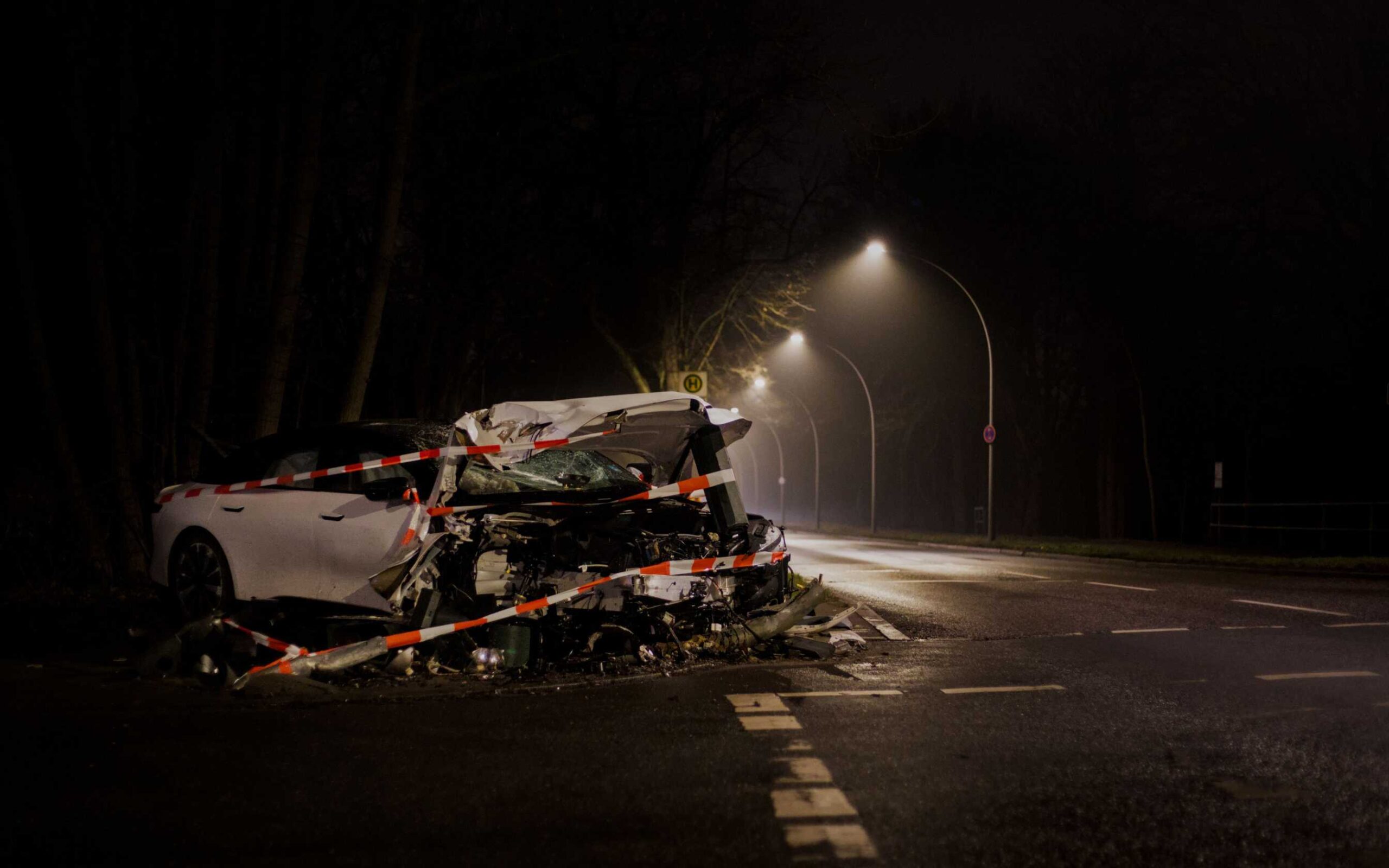
Durham is a city of walkers, from students and commuters to families and people who rely on the bus. Many of them are injured every year by drivers who fail to yield, speed, or look. If you or a family member was hurt in one of the pedestrian accidents in Durham, the question that matters most is often the same: who had the right of way, and who was at fault?
North Carolina law answers that question in a way that surprises many people. This guide explains how crosswalk and right-of-way rules work, how fault is decided, and what to do after a crash.
Why Pedestrian Safety Is a Serious Issue in Durham
Pedestrians make up a small share of the people on Durham’s roads but suffer some of the worst outcomes. According to the City of Durham’s Vision Zero Action Plan, pedestrians are involved in about 2% of all crashes but 18% of serious injury crashes and 26% of fatal crashes.
Durham has committed to reducing traffic deaths and serious injuries through its Vision Zero program. Local reporting shows that while traffic deaths in Durham fell from 37 in 2024 to 23 in 2025, serious injuries rose 26%. City crash data also shows that about 80% of pedestrian fatalities happen when it is dark.
Behind each of those numbers is a person and a family dealing with medical bills, lost income, and lasting injuries.
Crosswalks and Right of Way Under North Carolina Law
When drivers must yield
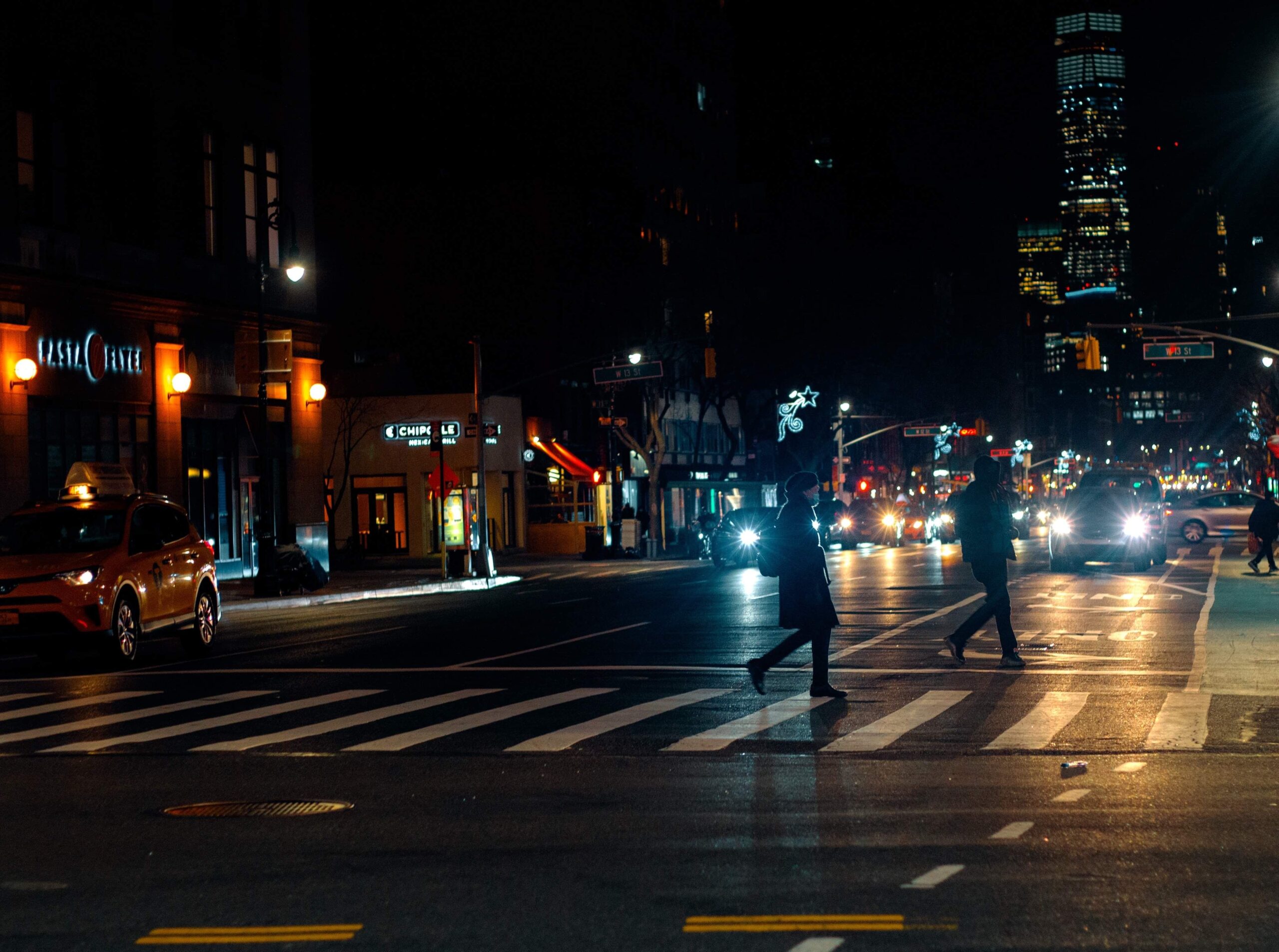
Where there are no traffic signals, North Carolina law requires drivers to yield to a pedestrian crossing in a marked crosswalk or in an unmarked crosswalk at an intersection. A driver must slow down or stop if necessary. A driver also may not pass a vehicle that has stopped for a pedestrian at a crosswalk.
Drivers entering or leaving an alley, driveway, or private road must yield to pedestrians on the sidewalk or walkway that crosses it.
Traffic signals and turning vehicles
Where signals are in operation, pedestrians must follow them. If an intersection has “WALK” and “DON’T WALK” signals, pedestrians must follow those. Drivers who turn, including those turning left or right on a green light, must yield to pedestrians who are lawfully crossing.
When pedestrians must yield
A pedestrian who crosses at a point other than a marked crosswalk or an unmarked crosswalk at an intersection must yield to vehicles on the roadway. This is what people mean when they talk about jaywalking.
Drivers still owe a duty of care
Even when a pedestrian has to yield, drivers must still use due care to avoid hitting them, and extra caution when they see a child or a confused or incapacitated person on the road. A pedestrian who crosses in the wrong place is not automatically at fault in a legal sense. The driver’s conduct is still examined.
Violating these rules is typically an infraction. If a driver’s violation causes a pedestrian’s death, it can become a criminal charge such as misdemeanor death by vehicle.
How Fault Works in a Pedestrian Case
This is where North Carolina differs from most states.
Contributory negligence. North Carolina still follows the rule of contributory negligence. If the driver and the pedestrian were both negligent, the injured pedestrian can be barred from recovering anything, even if the driver was mostly to blame. Insurance companies know this and often look for any reason to blame the pedestrian, such as crossing outside a crosswalk, wearing dark clothing at night, or looking at a phone.
Exceptions that may protect you. North Carolina law recognizes several ways around the rule:
- Last clear chance. A pedestrian who was negligent may still recover if the driver saw, or should have seen, the pedestrian in a position of danger and had the time and means to avoid the crash but failed to act. This doctrine has strict requirements and must be raised properly in the case.
- Gross negligence or willful conduct. Contributory negligence generally does not protect a driver whose conduct was grossly negligent or willful and wanton, such as driving while impaired.
Because these rules are technical and the stakes are high, how a case is investigated and presented in the first weeks can decide the outcome.
What to Do After a Pedestrian Crash in Durham
1. Call 911 and get medical care
Report the crash and any injuries. Accept treatment at the scene or go to the emergency room even if you think you are fine. Adrenaline can hide serious injuries such as head trauma, internal bleeding, and fractures.
2. Stay at the scene and gather information
If you can, get the driver’s name, license plate, and insurance details, and the names and numbers of any witnesses. If the driver leaves, try to note the vehicle’s description and direction of travel and tell police immediately.
3. Document the scene
Take photos and video of the crosswalk, signals, lighting, signs, skid marks, your injuries, and the vehicle. Note where you were standing or walking and the condition of the signals. Keep your clothing and shoes as they were.
4. Be careful what you say
Do not apologize or guess about what happened. Statements like “I didn’t see the car” can be used to argue you were partly at fault, and under North Carolina law, even partial fault can matter.
5. Do not give a recorded statement to the driver’s insurer
Adjusters may seem friendly, but their job is to limit what they pay. Do not sign anything or accept an offer until you understand the full extent of your injuries.
6. Preserve evidence and avoid social media
Nearby businesses may have video that gets overwritten within days. Avoid posting about the crash or your recovery online.
7. Talk to a lawyer early
Deadlines are strict, evidence disappears, and fault is often disputed from the beginning.
What Compensation May Be Available
Depending on the facts, an injured pedestrian may be able to recover compensation for:
- Medical expenses, current and future
- Lost wages and reduced earning capacity
- Pain and suffering
- Emotional distress
- Property damage, such as a phone, bike, or glasses
- Wrongful death damages for the family, when a pedestrian is killed
If the driver was uninsured, left the scene, or did not have enough coverage, the pedestrian’s own uninsured or underinsured motorist coverage, and medical payments coverage, may help. An attorney can review all available policies.
Time Limits Matter
Most personal injury lawsuits in North Carolina must be filed within three years of the injury. A wrongful death claim generally must be filed within two years of the death. Evidence, however, can disappear in days or weeks.
Frequently Asked Questions
Do pedestrians always have the right of way in North Carolina?
No. Pedestrians have the right of way in marked crosswalks and in unmarked crosswalks at intersections, where there are no signals. A pedestrian crossing elsewhere must yield to vehicles, but drivers must still use due care.
What if I was crossing outside a crosswalk?
You may still have a claim. Because North Carolina follows contributory negligence, your case will be more complicated, and exceptions such as last clear chance may apply. Speak with an attorney before talking to an insurance company.
What if the driver left the scene?
Report it to police right away. Your own uninsured motorist coverage may apply if the driver is never found.
Who is at fault if a car turns into me in a crosswalk?
A turning driver must yield to pedestrians who are lawfully crossing. A driver who fails to do so is often found negligent, although the facts still matter.
Do I need a lawyer if the driver was charged with a traffic offense?
A traffic citation or criminal charge is separate from your civil claim, and it does not automatically pay for your injuries. A lawyer can also protect you from the contributory negligence defense.
Talk to Philip Mullins Law After a Pedestrian Crash
If you or someone you love was hit by a driver in Durham, you do not have to deal with the insurance companies on your own. Contact Philip Mullins Law today to discuss your options and protect your rights.
General information only
This article provides general information and is not legal advice. Reading it does not create an attorney-client relationship. Laws and deadlines may change, and the result in any case depends on its particular facts.